Sewage treatment that passes inspection.
Skratchsphere audits, rehabilitates, builds and runs sewage treatment plants for estates and buildings across Nigeria, and manages the paperwork with your state's wastewater regulator, including the Lagos State Wastewater Management Office.
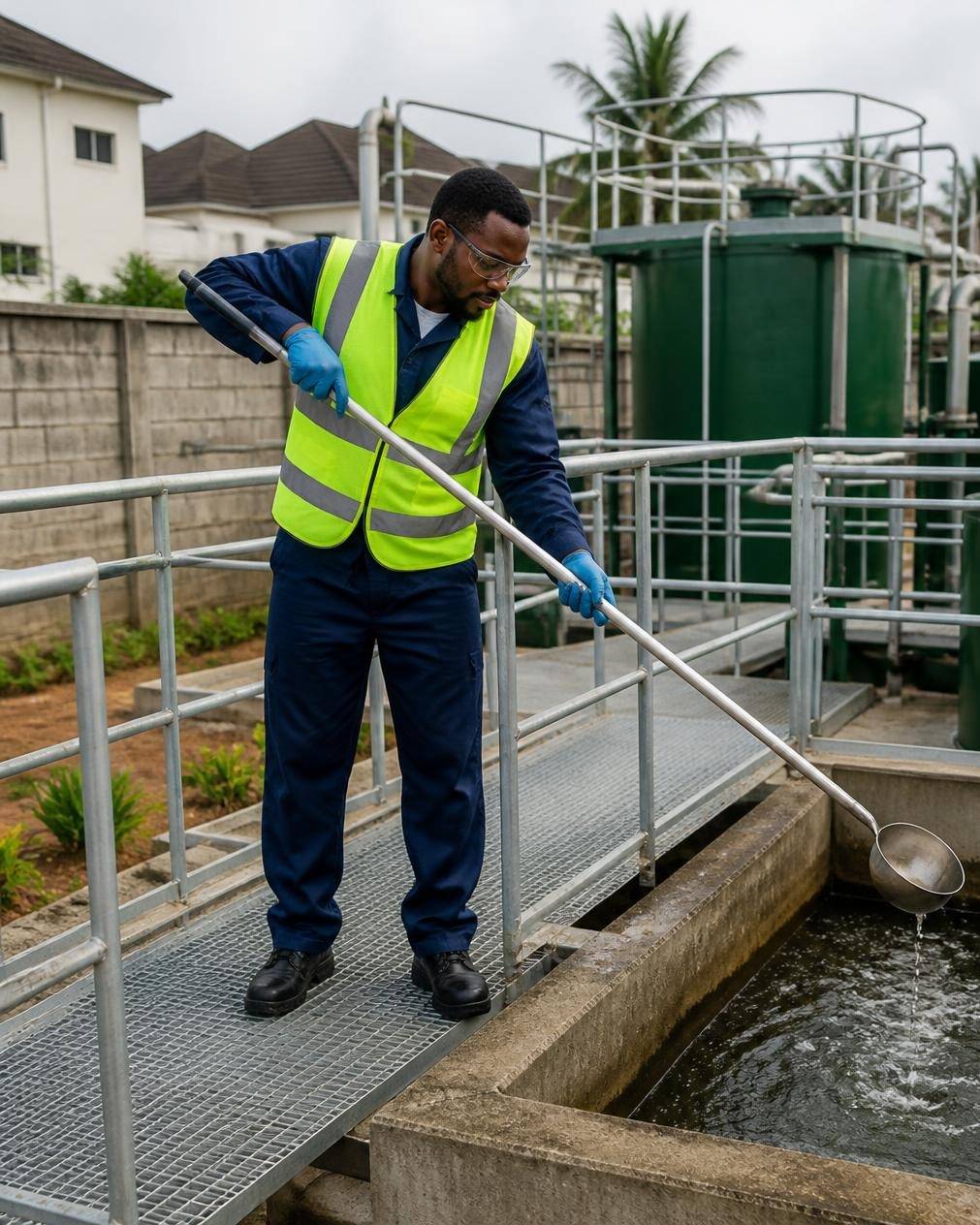
Regulators are sealing estates for untreated sewage, and Lagos is leading.
The Lagos State Wastewater Management Office has sealed estates and buildings in Lekki, Ajah, Ikoyi and Surulere for discharging untreated sewage into drains and canals, often from treatment plants that stopped working years ago. Sealing means residents cannot live normally, and the estate's name appears in the press. Every plant in Lagos needs a sewage clearance, working equipment and effluent that meets the standard, and every other state applies its own environmental rules to the same three things. Most estates we visit have none of them in order.
Read: What LSWMO sewage clearance means for your estate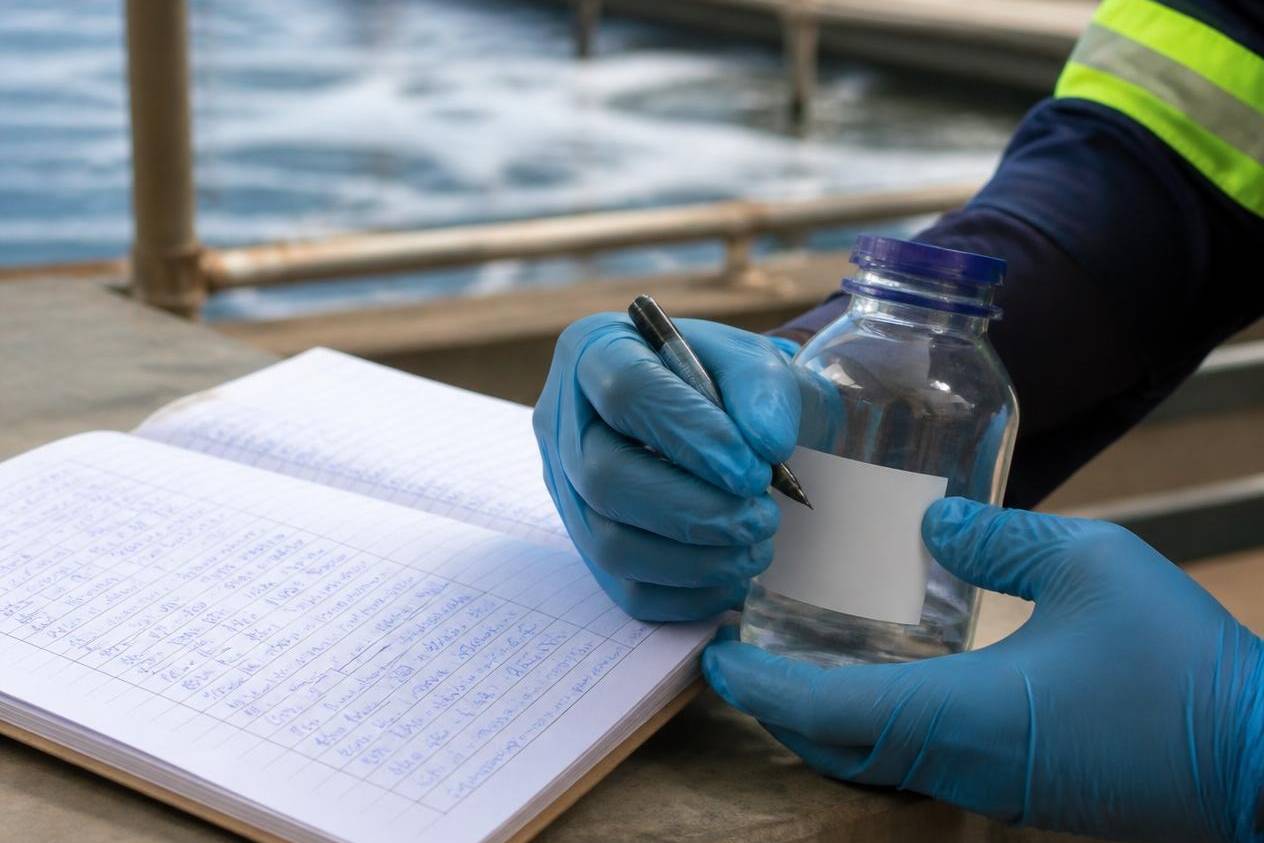
From audit to clearance.
- Plant audit.
Condition of tanks, aeration, blowers, pumps, settling and disinfection; sludge levels; effluent sample; discharge route; clearance status. Written report with a risk rating.
- Rehabilitation.
Bringing failed plants back into operation: desludging, blower and pump replacement, media and diffuser replacement, control panel repair, recommissioning and effluent testing.
- New plants.
Design, supply and installation of packaged treatment plants sized to your estate, from small clusters to several hundred units, with civil works, connections and commissioning.
- Operation and maintenance.
Daily checks, scheduled servicing, monthly effluent testing, sludge removal by licensed haulers, and a plant logbook available to the exco.
- Compliance management.
Preparation and submission of what the regulator requires, effluent records kept ready for inspection, and liaison during any inspection or abatement notice.
- Water reuse.
Where the plant produces suitable effluent, treated water reused for landscaping and irrigation, cutting borehole demand.
- Resource recovery.
Biogas captured from an anaerobic stage to cut the plant's energy bill, with kitchen and food waste added where the site produces it.
Plant size depends on the number of units, occupancy and the water use per household. We size from measured or estimated flows, not from a catalogue, and we design in a margin for growth and for the weekend peak. Undersized plants are the most common reason estates fail inspection.
Energy-efficient operation
Blowers and pumps are the largest power users on a sewage plant. We fit timers and variable-speed control where the plant allows, schedule aeration to the load, and report plant energy use in your monthly statement so it is not hidden inside the estate diesel bill.
Sewage treatment that pays some of its own way.
Sewage holds energy. In Nigeria's warm climate, a sealed anaerobic stage breaks down much of the waste before aeration, so the blowers, the plant's largest power users, run less. The biogas it releases is captured rather than vented, and used to power part of the plant or as cooking gas for staff quarters and the gatehouse.
- Lower running cost. Less aeration energy, and a smaller diesel or grid bill for the plant.
- Less sludge to haul. Digestion reduces sludge volume, so licensed haulage costs fall.
- Methane captured, not released. Measured and reported as carbon avoided.
- More gas where there is food waste. Adding kitchen and market waste multiplies the gas produced several times over.
What to expect from the numbers
Sewage alone produces about 20 to 30 litres of biogas per person per day. For an estate of 2,000 residents, that is roughly 40 cubic metres a day: enough to run part of the treatment plant, not the estate. The case is strongest for large estates and estate clusters, universities, hospitals, barracks and markets, and for estates that add kitchen waste. The Health Check calculates the potential for your site before anything is proposed.
Gas safety comes first
Biogas contains flammable methane and toxic hydrogen sulphide. Every installation runs under our HSSEQ system: gas detection, ventilation, confined-space permits, hazardous-area controls and trained operators.
Questions we are asked about sewage.
Our plant has been abandoned for years. Can it be saved?
Often, yes. Tanks and civil works usually survive; mechanical and electrical parts do not. The audit tells you whether rehabilitation or replacement is cheaper.
We have soakaways, not a plant. Are we at risk?
Soakaways on small plots are common, but where they overflow into drains or the water table is high, the regulator treats it as untreated discharge. We can advise on a shared plant.
What happens to the sludge?
It is removed by licensed haulers to an approved disposal site, with a record kept for each collection.
How quickly can you respond to an abatement notice?
We prioritise estates under notice. Contact us on WhatsApp with a photograph of the notice and we will call the same day.
Do not wait for the inspector.
A compliance check tells you where you stand before the regulator does.